
Foreclosure is more than just the loss of a home, it can have long-lasting consequences on your financial health. If you’re facing foreclosure, understanding how it impacts your credit and what you can do to recover is crucial to getting back on track. If you're wondering how foreclosure affects your credit, this article is for you.
Foreclosure can be a financial setback, especially when it comes to your credit. It can lower your credit score, affect your ability to secure loans, and create long-term financial challenges. But the good news is that recovery is possible. In this article, we’ll explore how foreclosure impacts your credit, how long the effects last, and what steps you can take to rebuild.
How Long Does Foreclosure Stay on Credit Report?
One of the biggest concerns homeowners have is, how long does foreclosure stay on credit report? According to major credit bureaus like Experian, Equifax, and TransUnion, a foreclosure remains on your credit report for seven years from the date of the first missed payment that led to foreclosure. While it won’t permanently ruin your credit, lenders will see it as a significant red flag when evaluating future loan applications.
That being said, the impact of foreclosure diminishes over time, especially if you take proactive steps to rebuild your credit. The more positive financial habits you establish, the less weight foreclosure will carry as time passes.
The Credit Score Impact of Foreclosure
Your credit score is a reflection of your financial reliability, and foreclosure is one of the most damaging events that can appear on your credit report. But how bad does foreclosure affect your credit? Here’s how it can affect your score:
1. Immediate Credit Score Drop
One of the most painful impacts on how foreclosure affects your credit is that it can cause a significant drop in your credit score. Typically you'll see your credit drop by 100 to 160 points or more. The exact impact depends on your credit history before the foreclosure. If you had a high credit score (700+), the drop will likely be more severe than if your score was already low to begin with.
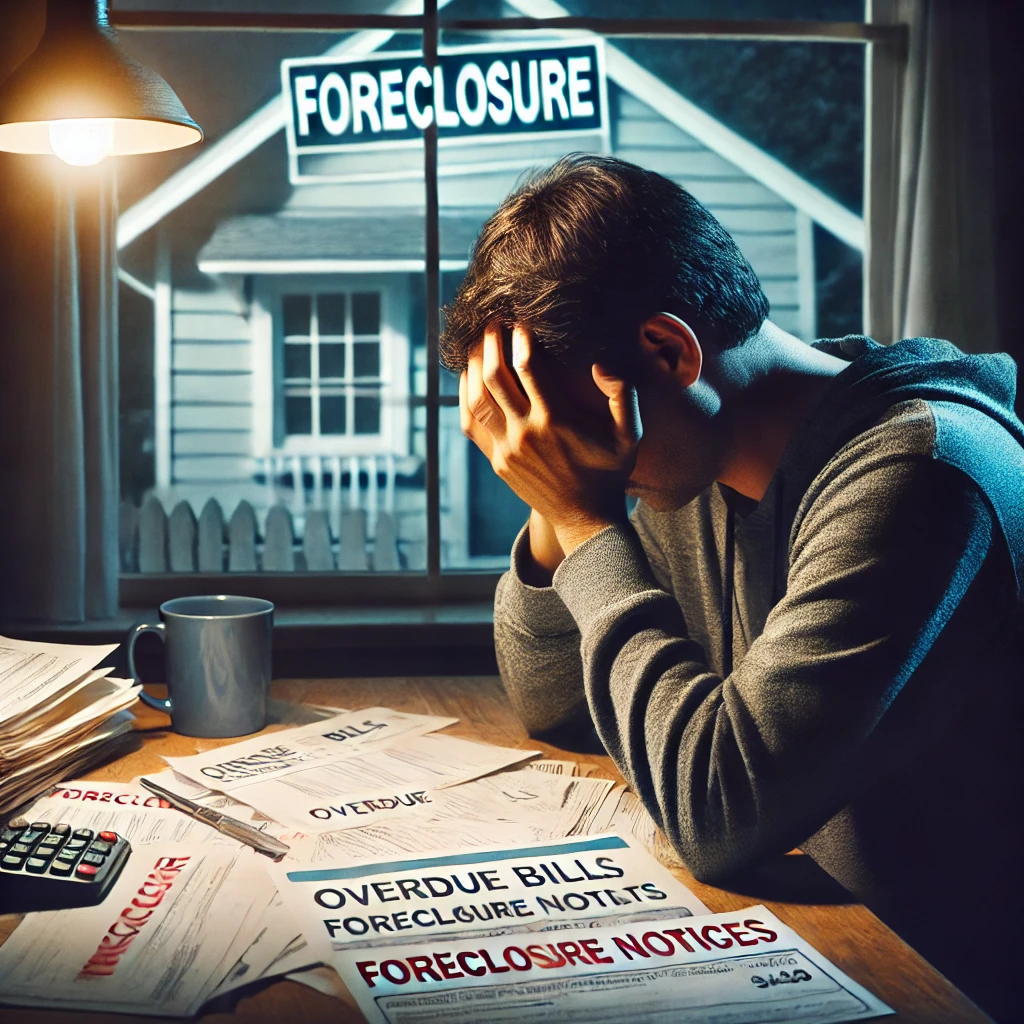
2. Foreclosure Stays on Your Credit Report for Seven Years
Once a foreclosure is recorded, it remains on your credit report for up to seven years. This negative mark can affect your ability to get approved for future loans, credit cards, or even rental housing.
3. Harder to Qualify for New Loans
Lenders see foreclosure as a major red flag. After foreclosure, obtaining a new mortgage can be challenging. Most conventional lenders impose a waiting period of at least seven years before approving another home loan, although government-backed loans (such as FHA loans) may allow new mortgages after three years under certain conditions.
4. Higher Interest Rates
If you manage to qualify for new credit after foreclosure, you may face higher interest rates. Lenders consider you a higher risk, which means you’ll pay more in interest on personal loans, car loans, credit cards, and even insurance.
Can You Minimize the Credit Damage of Foreclosure?
While foreclosure does have a major impact, there are ways to mitigate its damage and start rebuilding your credit sooner. If you’re still in the early stages of foreclosure, it’s crucial to know that you have options.
Waiting and doing nothing during foreclosure is not the answer. Know that there are Foreclosure alternatives that can help protect your credit. The sooner you take action, the better your chances of minimizing credit damage. Here's what you can do:
1. Consider Selling Before Foreclosure Happens
If you’re in the pre-foreclosure stage, selling your home may be the best way to protect your credit. Selling to a cash buyer can help you settle your mortgage debt and prevent the foreclosure from being reported.
2. Negotiate With Your Lender
Some lenders are willing to negotiate alternatives to foreclosure, such as:
- Loan Modification: Adjusting the terms of your loan to make payments more manageable.
- Short Sale: Selling the home for less than the amount owed, with lender approval.
- Deed in Lieu of Foreclosure: Voluntarily transferring the property back to the lender.
Taking any of these steps can reduce the credit impact compared to a full foreclosure.
3. Pay Down Other Debts
While a foreclosure damages your credit, improving other aspects of your credit profile can help counteract the damage. Focus on:
- Making all other payments on time (credit cards, car loans, personal loans, etc.).
- Paying down existing debt to improve your credit utilization ratio.
4. Check Your Credit Report for Errors
After foreclosure, it’s essential to review your credit report for accuracy. Sometimes, lenders report incorrect details, such as:
- The foreclosure being listed more than once.
- Incorrect amounts owed.
- Accounts that should be marked as settled or paid.
If you notice any errors, dispute them with the credit bureaus to have them corrected.
5. Rebuild Your Credit with Positive Financial Habits
While foreclosure stays on your credit report for years, you can still work on improving your creditworthiness. Here are some key strategies:
- Apply for a Secured Credit Card: These require a security deposit and help you build credit by reporting positive payment history.
- Take Out a Credit-Builder Loan: Some lenders offer small loans specifically designed to help you rebuild credit.
- Become an Authorized User: Ask a trusted family member to add you as an authorized user on their credit card to benefit from their positive payment history.
6. Be Strategic About New Credit Applications
While rebuilding your credit, avoid applying for too many new credit accounts at once. Each hard inquiry temporarily lowers your credit score, and multiple applications in a short period may signal financial distress to lenders.
Can You Get a Mortgage After Foreclosure?
Yes, you can certainly still get a mortgage after foreclosure but it takes time and careful planning. Know that although foreclosure is a financial setback for you, it won't last forever. Here are the typical waiting periods for different types of mortgages after foreclosure:
- Conventional Loans: 7 years (may be reduced to 3 years in extenuating circumstances).
- FHA Loans: 3 years.
- VA Loans: 2 years.
- USDA Loans: 3 years.
To improve your chances of approval after the waiting period, work on rebuilding your credit, saving for a down payment, and demonstrating financial stability.
FINAL THOUGHTS
Foreclosure is a setback, but it doesn’t define your financial future. While it does impact your credit score and borrowing ability, proactive steps can minimize the damage and help you recover faster.
Foreclosure can feel overwhelming, but understanding how foreclosure affects your credit and taking proactive steps can make a huge difference. While foreclosure stays on your credit report for up to seven years, the effects lessen over time, especially if you focus on rebuilding credit after foreclosure. By taking action now, you can recover faster, regain financial stability, and hopefully stop foreclosure fast on its track.
Remember, foreclosure doesn't have to be the end of your story. Don't let it define you. When one chapter closes, a new one begins. If you’re ready to explore your options, reach out to us today to discuss the best path forward for your situation.
Learn More About Us!
Come visit us in our About Us page to learn more about your local homebuying couple!
Learn more what our company is all about, we can't wait to chat with you soon 🙂

The Best Way To Sell Your House Fast
Are you looking to sell your house? Our friendly team at 702 Cash Buyers is here to help you through every step of the process. We are one of the top cash house buyers in Las Vegas for a reason. Join our community of satisfied sellers who have successfully sold their houses to us. Let's work together to make your property selling experience easy and stress-free. Click on the button below to get started!