
Discovering mold in your home is one of those moments that makes your stomach drop. Whether it’s a small patch behind the bathroom sink or full-blown black mold creeping along the walls, your first thought is usually the same: Can you sell a house with mold in Nevada?
Yes, absolutely. You can sell a house with mold. In fact, Nevada homeowners do it frequently, and in many cases, you have more options than you think.
So before you rush into repairs, pay for expensive mold tests, or start worrying that buyers will run for the hills, it’s important to understand how mold actually affects a home sale. From Nevada’s disclosure laws to buyer expectations, remediation costs, appraisal issues, and the fastest way to sell a mold-damaged home as-is, this guide will walk you through everything you need to know.
Whether you're dealing with black mold, water damage that created hidden growth, or a house you inherited that’s been sitting untouched for years, this article will help you understand your options and show you the easiest path forward when you’re ready to sell.
Why Do Buyers Worry About Mold?
When buyers hear the word mold, most of them instantly picture hidden damage, health risks, and expensive repairs. And honestly, they’re not completely wrong. Mold is one of those issues that can be stubborn, unpredictable, and capable of returning even after you think you’ve cleaned it up. That’s because mold isn’t just what you see on the surface. It grows through microscopic root systems that can spread into drywall, flooring, wood framing, insulation, and anywhere moisture lingers.
For many buyers, the biggest concern isn’t just what mold looks like, it’s what mold does. According to health experts, mold exposure can trigger everything from mild allergies to more serious symptoms in people with asthma, respiratory conditions, or weakened immune systems. This makes mold feel like a risk most traditional buyers simply don’t want to take on.
And even if a buyer is interested, their lender might not be. Most mortgage lenders won’t approve a loan on a home with an active mold issue until the problem is professionally remediated.
This is why many homeowners dealing with mold end up facing price drops, slow negotiations, failed inspections, or buyers backing out entirely. Here in Nevada, heat and moisture can make mold spread quickly if the underlying issue isn’t fixed.

What Is Mold and Where Does It Come From?
Mold spores are everywhere. They float in through open windows, cling to clothing or pets, and circulate through HVAC systems. A small number of spores won’t cause issues on their own, but the moment you have moisture long enough, mold starts to grow.
And contrary to popular belief, mold isn’t only a problem in older or neglected homes. Even newer construction in Las Vegas, Henderson, or Summerlin can develop mold from:
- A small plumbing leak behind a wall
- A poorly sealed shower or bathtub
- A roof leak during a rainy day
- Excess condensation in bathrooms with weak ventilation
- Overflowing A/C drip pans (very common in Nevada)
All it takes is one hidden drip or a damp spot that never fully dries, and mold can begin spreading behind the scenes long before a homeowner notices anything.
So while sellers often assume their home is “too new” to have mold issues, the truth is that any property (old or new) can develop mold if moisture hangs around long enough.
Common Types of Mold Found in Homes
When most homeowners think of mold, they picture the worst-case scenario: thick black patches crawling up walls and ceilings. But the truth is, homes in Nevada can host several different types of mold, and each has its own characteristics, dangers, and impact on a home sale.
1. Cladosporium
- Often appears as olive-green, brown, or black blotches.
- Common in bathrooms, under sinks, around HVAC units, and on wood.
- Not usually dangerous but can trigger allergies.
2. Penicillium
- Typically blue or green and spreads quickly.
- Found in carpeting, insulation, and areas with previous water damage.
- Can cause respiratory irritation if left untreated.
3. Aspergillus
- Very common in desert climates.
- Appears in various colors and thrives in household dust and fabrics.
- Many people inhale Aspergillus spores daily with no issue, but some strains can cause infections or inflammation.
4. Stachybotrys Chartarum (Black Mold)
- This is the infamous one — the mold everyone fears.
- Usually dark black or slimy green and thrives in long-term moisture.
- Often found after floods, plumbing leaks, roof leaks, or severe water damage.
Can You Sell a House With Black Mold?
You certainly can still sell a house with black mold, but it can be difficult, especially if you want to find a traditional buyer.
Black mold is the biggest deal-breaker for traditional homebuyers because:
- It’s associated with more serious health concerns.
- Most lenders will not finance a home with active black mold.
- Inspections will almost always flag it as a major issue.
- Buyers fear hidden damage behind the walls.
- Remediation can be expensive if the mold has spread into structural materials.
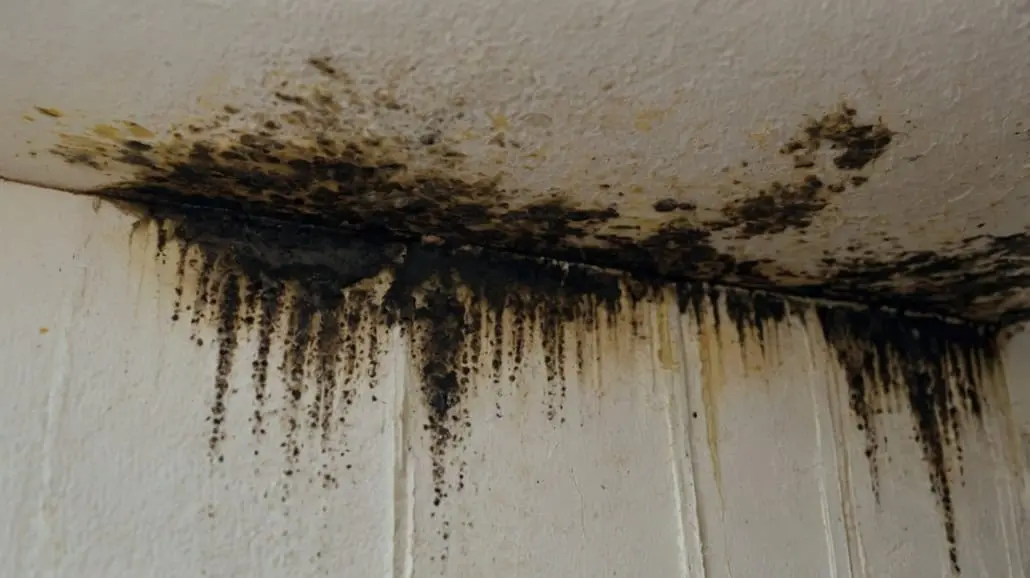
Because of this, homeowners trying to sell a house with black mold often face: price reductions, buyers backing out, loan denials, long days on market, and repairs they can’t afford.
For this reason, many homeowners turn to cash homebuyers when facing black mold. There are no lenders, no inspections, and no repair requirements when working with them.
In reality, other molds can also cause issues, but black mold has built a reputation that sends most traditional buyers running for the door. If you are dealing with heavy black mold damage, working with a reputable cash buyer in your area will be your best bet.
How Mold Impacts Your Home Value
Mold doesn’t just create an eyesore or a musty smell, it can make a major dent in your home’s value. When buyers (or their inspectors) find mold, they immediately start thinking about repair costs, health concerns, and the possibility of deeper water damage hidden behind the walls. For many, that’s enough to walk away from the deal entirely.
Depending on the severity, mold can reduce a home’s value by 10–30%, and in cases where the mold has spread extensively or caused structural damage, the impact can be even greater. The type of mold, how far it has spread, and whether moisture issues still exist all play a role in how much a home’s value will drop. If the mold is severe enough that it poses a significant health risk or structural risk, the city may even tag your house as a condemned property, which lowers your property value significantly.
Appraisers also take mold seriously. During an appraisal, they consider:
- The visible extent of the mold
- Whether there is active moisture or leaks
- What structural components have been damaged
- Estimated remediation and repair costs
- Health-related risks tied to the mold type
If the mold is widespread or located in critical areas (attics, crawlspaces, behind walls, HVAC systems), the home may not appraise anywhere near the contract price. That means lenders might decline the loan altogether, making it nearly impossible to sell the home through traditional means until the mold is professionally remediated.
In Nevada’s hot climate, where moisture from A/C systems or plumbing leaks can spread quickly, mold issues can escalate much faster than homeowners realize. And with traditional buyers expecting a “move-in ready” home, any sign of mold becomes a major red flag.
Mold Inspections vs. Home Inspections: What’s the Difference?
While a standard home inspection can catch a lot of issues, mold isn’t one of them — at least not in detail. A mold inspection is completely different from a traditional home inspection, and sellers should understand the distinction.
Standard Home Inspections
A home inspector provides a general overview of the home’s condition, including:
- Roof
- Foundation
- Electrical
- Plumbing
- HVAC
- Safety hazards
They may note visible signs of mold or moisture, but they are not trained to diagnose mold, determine its type, or identify the source of the problem.
Mold Inspection
A mold inspection is performed by a specialist trained specifically to look for mold growth, moisture intrusion, and hidden contamination. This type of inspection typically includes:
- Moisture meter testing
- Infrared thermal imaging
- Air quality sampling
- Swab testing for mold species
- Inspection of walls, ceilings, attics, crawl spaces, and HVAC systems
Mold inspectors know exactly where mold likes to hide — especially in Nevada homes where A/C condensation lines, water heaters in garages, and roof leaks can create ideal conditions.
While a home inspection may say “possible mold present,” a mold inspection can get you more details. Understanding the difference is important because most traditional buyers will require both if they suspect mold. And if the mold is confirmed, the sale can fall apart unless the seller agrees to repairs, which can get expensive fast.
Can You Sell a House With Mold Legally in Nevada?
You certainly can sell your house with mold. There’s no federal law and no Nevada state law that outright bans the sale of a mold-affected property. But you need to be extra careful here. Many states require you disclose any known mold problem to the seller.
Nevada’s property disclosure laws require sellers to disclose any known material defects, and mold, especially anything tied to moisture damage, falls under that umbrella. That means:
- If you know there is mold, you must disclose it.
- If you’ve experienced past moisture issues (roof leaks, plumbing leaks, HVAC condensation), you should disclose those too.
- If mold has been professionally remediated, you should disclose the issue and the remediation.
Nevada does not require sellers to go tearing open walls or doing invasive inspections. But if you have a reason to believe mold exists, you’re expected to act in good faith.
Failure to disclose known mold issues can only lead to lawsuits for nondisclosure. Fully disclosing everything not only builds trust with your sellers, but also protects you from a legal standpoint when selling your house with mold.
What Are Your Options for Selling a House With Mold Problems?
If you're dealing with mold, you still have multiple paths to sell your home. It just depends on your timeline, budget, and how serious the mold issue is. Here are the three most common options for selling a house with mold in Nevada.
OPTION 1: Fix the Mold Issue Before Listing
Many homeowners choose to remediate the mold before putting the property on the market.
Average mold remediation cost anywhere from $500 to $30,000, depending on how far the mold has spread and whether there’s structural damage or black mold.
Remediation makes sense when:
- You want top market value
- You have the cash to pay for repairs
- You’re targeting traditional buyers using FHA, VA, or conventional loans
Once the issue is fixed, selling a house after mold remediation is generally easier because you can show clearance reports, receipts, or air-quality tests to buyers.
OPTION 2: List the Home As-Is
If you don’t want to spend money on repairs, you can still sell your home as-is, but expect the mold to influence buyer behavior.
Buyers may:
- Ask for price reductions
- Request mold inspections
- Renegotiate after their home inspection
- Walk away if remediation is expensive
Lenders may also require repairs before approving financing, which can slow down or completely derail the sale. As a result, selling a home with mold through a traditional listing often takes longer and results in lower offers.
OPTION 3: Sell the Property As-Is to a Cash Buyer
The fastest and simplest option for selling a house with mold problems is to work with a cash home buyer.
Cash buyers like us purchase homes in any condition. Regardless if the house has mold damage, water damage, or is a condemned property, we can buy it.
No repairs, inspections, or cleanup required. You simply get a cash offer and close on your timeline, sometimes in as little as 7 days.
This is often the best solution for owners dealing with severe mold, tight deadlines, or health concerns that make staying in the home unsafe.
FINAL THOUGHTS
Dealing with mold can feel devastating, especially when it impacts your health, your home’s value, and your ability to sell. But the good news is this: you absolutely can sell a house with mold. You just need to choose the selling strategy that fits your situation.
Whether you decide to repair the mold, list the home as-is, or skip the headaches entirely and sell for cash, the important thing is that you’re informed and protected.
Mold doesn’t have to stop your plans or drain your bank account. With the right approach, homeowners in Nevada sell mold-damaged homes every day.
If you’re looking for the easiest and fastest path, a direct cash sale may be your best option. At 702 Cash Buyers, we buy houses in Nevada, in any condition, including black mold, water damage, or homes that need full remediation. No repairs, no inspections, no delays.
Whatever route you choose, just remember: you’re not stuck. You can sell a home with mold, and you have options, resources, and solutions available right here in Nevada.
When you're ready to explore your best next step, we’re here to help.
Learn More About Us!
Come visit us in our About Us page to learn more about your local homebuying couple!
Learn more what our company is all about, we can't wait to chat with you soon 🙂

The Best Way To Sell Your House Fast
Are you looking to sell your house? Our friendly team at 702 Cash Buyers is here to help you through every step of the process. We buy houses in Las Vegas NV. Join our community of satisfied sellers who have successfully sold their houses to us. Let's work together to make your property selling experience easy and stress-free. Click on the button below to get started!