

What are Code Violations?
Code violations happen when a property doesn’t meet local building, safety, or zoning standards set by the city or county.
Every city has specific rules that homes must follow. These rules cover things like electrical systems, plumbing, structural safety, property use, and even basic upkeep.
The important thing to understand is this:
A house doesn’t have to be “falling apart” to have code violations.
In many cases, violations happen because:
- Work was done without proper permits
- Repairs or upgrades don’t meet current standards
- The property is being used in a way that violates zoning rules
- Basic maintenance has been neglected over time
Another key factor is that building codes are constantly changing. What was acceptable 10–20 years ago might not meet today’s standards.
So even if nothing seems “wrong” with your home, it can still be considered not up to code by current regulations.
Top 9 Most Common Code Violations in Las Vegas
What Happens to the Loan Balance When You Sell?
Code violations can range from minor issues to serious safety concerns, and many homeowners are surprised to learn just how easy it is to fall out of compliance.
Not all code violations are major structural issues. Many of the most common violations are related to how a property is being used or maintained, not necessarily the condition of the home itself.
Here are the most frequent types of code violations homeowners run into:
1. Illegal Property Use & Zoning Violations
Using a property in a way that doesn’t align with local zoning laws is one of the most frequent issues. This includes unapproved AirBNB short-term rentals, running a business out of a residential home, or exceeding occupancy limits.
2. Unpermitted Work & Additions
Garage conversions, room additions, or major upgrades done without permits are extremely common. Even if the work looks good, it can still be flagged and create problems during a sale.
3. Trash, Debris, and Property Maintenance Issues
Excessive trash, illegal dumping, dead landscaping, or neglected yards are some of the most cited violations. These are often easy to overlook but can quickly lead to fines.
4. Unauthorized Occupancy & Squatter Situations
Issues like squatters, vagrant camps, or too many people living in a home can trigger serious violations and may require immediate action.
5. Vehicle & Parking Violations
Storing inoperable vehicles, working on cars in the driveway, or parking commercial vehicles in residential areas can all lead to citations.
6. Electrical & Plumbing Not Up to Code
Outdated wiring, unsafe electrical setups, or plumbing that doesn’t meet current standards are commonly flagged—especially during inspections.
7. Structural & Safety Issues
Foundation cracks, roof damage, unsafe additions, or missing safety features (like handrails) can all be considered violations if they pose a risk.
8. Exterior Damage & Property Condition
Broken windows, missing doors, or deteriorating siding can lead to violations, particularly when they impact safety or security.
9. Mold, Fire, or Water Damage
These types of damage often come with health and safety concerns and may require professional remediation to meet code requirements.
What Happens If Your House Is Not Up to Code?
If your home has been flagged for violations, you’re probably wondering what actually happens next—and how serious it really is.
The reality is, when your house is not up to code, the city doesn’t just ignore it. In most cases, things can escalate over time if the issue isn’t addressed.
Here’s what you can typically expect:
- Fines and Penalties - Many cities will start issuing daily or monthly fines until the violation is corrected. These can add up quickly, especially if the issue goes unresolved for a while.
- Official Notices and Deadlines - You may receive formal notices requiring you to fix the problem within a certain timeframe. Missing these deadlines can lead to additional penalties or legal action.
- Liens on the Property - If fines go unpaid or violations remain unresolved, the city can place a lien on your home. This means the debt is tied to the property itself and usually must be paid before (or during) the sale.
- Difficulty Selling the Traditional Way - One of the biggest challenges homeowners face is trying to sell through a real estate agent. Many buyers use financing, and lenders often require the home to meet certain standards. If your house isn’t up to code, deals can fall apart during inspections.
All of this is why many homeowners start to feel stuck. Between the cost of repairs, the pressure from the city, and the uncertainty of selling, it can feel like there’s no easy way out.
But the truth is—you still have options, and in the next section, we’ll break down exactly how you can sell a house with code violations and what that process actually looks like.
Can You Sell a House With Code Violations?
Yes—absolutely. You can sell a house with code violations. It’s very possible, but there are a few important things homeowners should understand before moving forward with the sale.
First off, code violations don’t automatically disqualify your home from being sellable. Las Vegas cash home buyers actively look for distressed properties and fixer-uppers. These types of buyers are used to dealing with issues like unpermitted work, deferred maintenance, and properties that aren’t up to code. If you do decide to go that route, just make sure you’re working with a reputable buyer who is transparent and straightforward about their process.
That said, code violations can still impact how your sale plays out. One of the biggest factors is price. Most buyers will take into account the cost of fixing the violations when making an offer, which can lead to lower offers compared to fully updated homes. Another major factor is financing. If you’re selling on the traditional market, many buyers rely on loans, and lenders often require the property to meet certain safety and condition standards. If your home has significant issues, there’s a chance the buyer’s financing could fall through, even if everything else looks good.
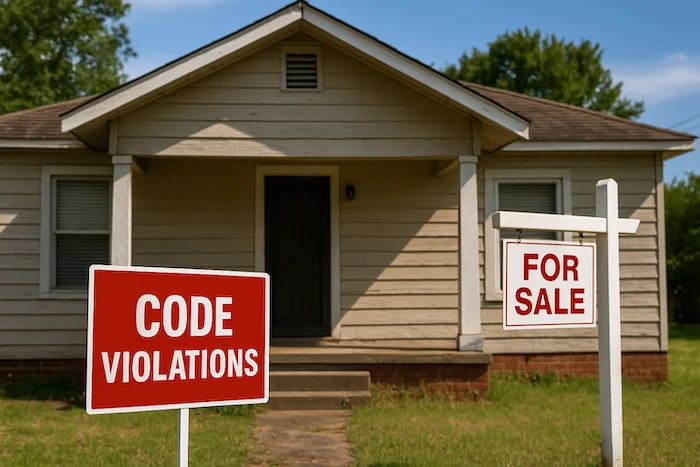
There’s also the matter of disclosure. If you’re aware of code violations, you’ll typically need to disclose them to potential buyers. Being upfront might seem like it could scare people away, but in reality, it helps prevent deals from falling apart later and protects you from potential legal issues after the sale.
Another thing most homeowners don’t realize is that not every issue necessarily needs to be fixed. In some cases, properties may have features that were compliant when they were built but don’t meet today’s standards. These are often referred to as “grandfathered” conditions. While they may not meet current code, they don’t always require immediate updates unless major renovations are made.
At the end of the day, selling a house with code violations comes down to your situation, your timeline, and how much work you want to put into the property before selling. The good news is, you have options, and in the next section, we’ll break down the best ways to move forward depending on your goals.
What are Your Options When Selling a Home with Code Violations
If your home isn’t up to code, you have a few different paths you can take. The best option depends on your timeline, budget, and how much work you want to take on before selling.
Here are the three most common ways to sell a house with code violations:
1. Fix the Violations Before Selling
This is the traditional route where you bring the property up to code before listing it on the market. This usually involves hiring contractors, pulling permits, and completing any required repairs or upgrades so the home meets current standards. Once everything is addressed, you can list the property like any other home. While this approach can open the door to more buyers, it often takes time and can become expensive depending on the extent of the violations.
2. Sell the House As-Is on the Market
Another option is listing the home in its current condition without making repairs upfront. In this case, you’re letting buyers know the property has issues and pricing it accordingly. While this can save you from handling repairs yourself, most buyers will still go through inspections, which can lead to renegotiations, delays, or deals falling apart—especially if the buyer is relying on financing.
3. Sell Directly to a Cash Buyer
The third option is selling directly to a cash buyer. These are typically investors who purchase homes in as-is condition, including properties with code violations. There’s no need to fix anything, deal with inspections, or wait on lender approvals. The process is usually much faster and more straightforward, making it a common choice for homeowners who want to avoid the time, cost, and uncertainty of a traditional sale.
FINAL THOUGHTS
Getting hit with a code violation can feel overwhelming—but it doesn’t mean you’re out of options.
Whether your property has minor issues or more serious problems, you can still move forward and sell a house with code violations without dragging things out or spending a fortune on repairs.
The key is choosing the path that makes the most sense for your situation.
If you’re dealing with fines, notices, or just don’t want to deal with repairs, there is a much simpler option.
At 702 Cash Buyers, we work with homeowners who are dealing with: Code violations, Unpermitted work, Problem tenants, Inherited properties, and Houses in rough condition.
You don’t need to clean.
You don’t need to fix anything.
You don’t need to deal with the city.
We’ll take a look at the property, make you a straightforward cash offer, and handle everything from there.
If you’re ready to sell your house fast in Las Vegas, feel free to contact us anytime!
Learn More About Us!
Come visit us in our About Us page to learn more about your local homebuying couple!
Learn more what our company is all about, we can't wait to chat with you soon 🙂

The Best Way To Sell Your House Fast
Are you looking to sell your house? Our friendly team at 702 Cash Buyers is here to help you through every step of the process. We buy houses in Las Vegas NV. Join our community of satisfied sellers who have successfully sold their houses to us. Let's work together to make your property selling experience easy and stress-free. Click on the button below to get started!